


Businesses today are moving faster than ever, and staying competitive requires efficiency, accuracy, and speed. This is where AI for business automation comes in. AI tools help automate repetitive tasks, reduce errors, and free up employees to focus on higher-value work.
Whether you run a small business or manage a large enterprise, AI can help streamline operations, save costs, and improve productivity.
What Is AI for Business Automation?

AI for business automation uses artificial intelligence technologies like machine learning, natural language processing, and robotic process automation (RPA) to handle tasks that normally require human effort.
These tasks can include:
- Customer support
- Data entry and analysis
- Email marketing and outreach
- Inventory management
- Accounting and invoicing
By automating these processes, businesses save time, reduce mistakes, and make smarter decisions.
Benefits of Using AI for Business Automation
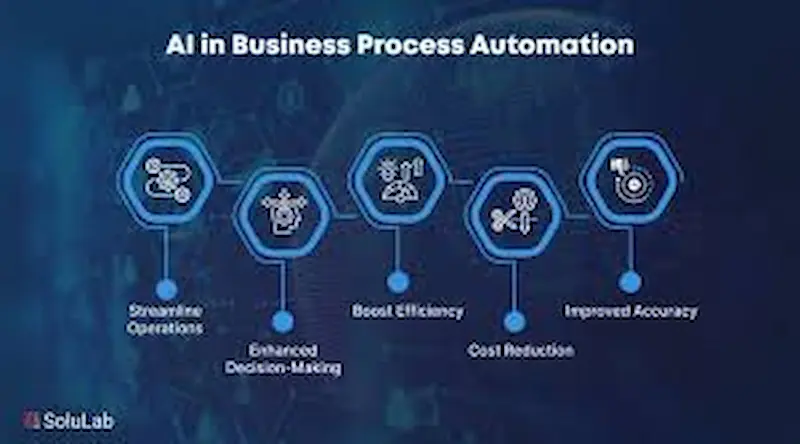
- Improved Efficiency
AI can perform repetitive tasks faster and more accurately than humans, allowing employees to focus on strategic work. - Cost Savings
Automating tasks reduces operational costs and increases productivity without hiring extra staff. - Better Decision-Making
AI analyzes large volumes of data quickly and provides insights to support business decisions. - Enhanced Customer Experience
AI-powered chatbots and support tools can respond instantly to customer queries 24/7. - Scalability
Businesses can easily scale operations without a proportional increase in staff or resources.
You may also like it:
Smart Home Device Guide: Choose the Best Devices for Home
Video Editing Software Guide: Tips for Beginners & Pros
Best Antivirus Software 2026 – Top Security Tools
Top Areas Where AI Automates Business Tasks
1. Customer Support
AI chatbots and virtual assistants handle routine inquiries, book appointments, and provide support, ensuring customers get help instantly.
2. Marketing Automation
AI tools can schedule campaigns, personalize emails, analyze engagement, and optimize ads for better results.
3. Sales and CRM
AI can track leads, suggest next steps, forecast sales, and automate follow-ups, improving revenue efficiency.
4. Accounting and Finance
AI handles invoice processing, expense tracking, payroll, and even predictive financial analytics.
5. HR and Recruitment
AI helps screen resumes, schedule interviews, and manage onboarding, saving HR teams hours of manual work.
6. Inventory and Supply Chain Management
AI predicts demand, optimizes stock levels, and reduces waste by automating logistics and warehouse operations.
How to Implement AI for Business Automation
- Identify repetitive tasks suitable for automation.
- Research AI tools that match your business needs.
- Start with a pilot program to test effectiveness.
- Train staff to integrate AI tools into daily workflows.
- Continuously monitor and optimize AI processes.
Even small automation steps can create noticeable improvements in efficiency and productivity.
Challenges of AI in Business Automation
- High initial investment for some advanced AI solutions
- Integration issues with existing systems
- Dependence on data quality for accurate AI results
- Employee resistance to adopting AI tools
These challenges can be overcome with proper planning, training, and phased implementation.
Final Thoughts
AI for business automation is no longer optional—it’s becoming essential for businesses that want to stay competitive in 2026. By automating repetitive tasks, improving customer experience, and providing actionable insights, AI tools allow companies to operate smarter, faster, and more efficiently.
Businesses that adopt AI early gain a significant advantage over competitors, saving costs while boosting productivity and growth.
FAQs – AI for Business Automation
1. What is AI for business automation?
AI for business automation uses artificial intelligence tools and technologies to automate repetitive business tasks, improve efficiency, and reduce human error.
2. Which business tasks can AI automate?
AI can automate customer support, data entry, marketing campaigns, sales tracking, finance and accounting, HR processes, and inventory management.
3. How does AI improve business efficiency?
AI performs tasks faster and more accurately than humans, provides actionable insights from data, and allows employees to focus on higher-value work.
4. Is AI automation suitable for small businesses?
Yes, AI tools are scalable and affordable for small businesses. Even automating a few repetitive tasks can save time and reduce costs.
5. Can AI improve customer experience?
Absolutely. AI chatbots, automated emails, and predictive analytics ensure customers get quick, personalized responses, improving satisfaction and loyalty.


